
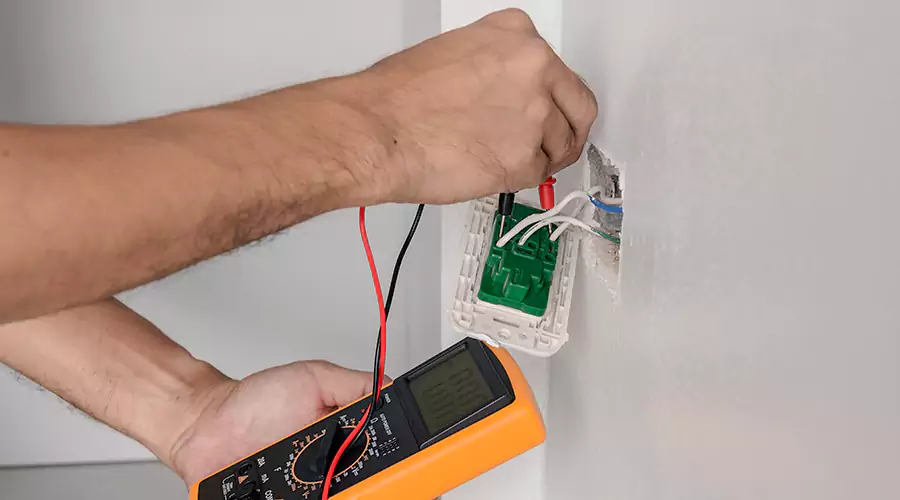
Prepare your home for an EV charger installation by checking your electrical panel capacity and ensuring it can handle the added load. Most homes need a dedicated circuit for safe operation. Choose a convenient location near your parking area and plan the wiring path from the panel. You may need upgrades such as a panel increase or new wiring if your system is outdated. Permits and inspections are usually required to meet local codes. Proper preparation helps avoid delays, ensures safe installation, and allows your charger to operate efficiently for daily use.
A licensed electrician from An inspection of the existing electrical system helps identify any upgrades or modifications needed before an EV charger can be safely installed. This allows homeowners to understand the installation requirements in advance.
What to Check Before Installing an EV Charger
Start by understanding your current electrical setup. This step helps you identify whether upgrades are needed before installation.
Why a Pre-Check Is Important
A basic evaluation prevents surprises during installation. It also ensures your system can support the charger without safety risks.
How to Evaluate Your Electrical Panel Capacity
Your panel determines how much electricity your home can handle. EV chargers require significant power, especially Level 2 units.
Signs Your Panel May Need an Upgrade
- Frequent breaker trips during use
- No space for additional breakers
- Panel rated below modern capacity
What Electrical Load Calculation Means
A load calculation measures how much power your home uses compared to what your system can handle. An electrical load assessment determines if the current service can safely handle the additional power demand.
Why Load Calculation Is Necessary
It helps determine if your panel can support an EV charger. If the load exceeds capacity, an upgrade is required for safe operation.
Which EV Charger Type Fits Your Home
EV chargers vary based on speed and power requirements. Choosing the right type affects installation needs.
Differences Between Charger Types
Level 1 chargers use standard outlets and charge slowly. Level 2 chargers require a dedicated circuit and provide faster charging for daily use.
Where to Install the EV Charger
The installation location impacts both convenience and cost. A well-chosen spot improves usability and reduces wiring complexity.
What Makes a Good Installation Location
The charger should be close to your parking area. It should also be protected from weather and allow easy cable access.
How to Plan the Wiring Route
The path from your panel to the charger affects installation difficulty. Longer distances may require more materials and labor.
Factors That Affect Wiring Layout
- Distance from panel to charger
- Obstacles like walls or ceilings
- Accessibility for installation
Why a Dedicated Circuit Is Required
EV chargers draw a high amount of power. A dedicated circuit ensures safe operation without affecting other parts of your home.
Benefits of a Dedicated Circuit
A dedicated circuit prevents overload and ensures consistent performance. It also reduces the risk of system interruptions.
What Electrical Upgrades May Be Needed
Some homes require upgrades before installing an EV charger. These upgrades ensure the system meets safety standards.
Common Upgrades Before Installation
- Panel upgrade to increase capacity
- New wiring for the charger
- Improved grounding system
How Permits and Inspections Work
Most EV charger installations require permits. Inspections confirm that the work meets local electrical codes.
What to Expect During Approval
The installation must be reviewed by your local authority. After completion, an inspection ensures everything is safe and compliant.
Understanding EV Charger Installation
EV charger installation provides a dedicated charging solution for electric vehicles at home. The process typically begins with a review of the electrical panel and an assessment of the home's electrical capacity to determine whether the existing system can support the additional power demand.
Installation may include planning the wiring route, selecting an appropriate charger location, and connecting the charger according to current electrical codes. After installation, the system is tested to verify safe operation and reliable charging performance.
The electrician checks your panel capacity before work begins. This helps identify upgrades, permit needs and installation requirements.
How Much Does EV Charger Installation Cost
Costs vary based on your home and installation requirements. Understanding these factors helps you plan your budget.
Key Cost Factors
- Distance from panel to charger
- Electrical upgrades required
- Local labor and permit fees
How to Prepare Your Garage or Parking Space
The installation area should be ready before work begins. This helps avoid delays and ensures a smooth process.
Steps to Prepare the Area
- Clear space around the installation point
- Ensure easy access to the panel
- Provide adequate lighting
How to Ensure Proper Grounding
Grounding is essential for electrical safety. It protects your system from faults and reduces shock risk.
Why Grounding Matters
Proper grounding directs excess electricity safely away from your system. This improves both safety and reliability.
How EV Charging Affects Your Energy Usage
Adding an EV charger increases your electricity usage. Understanding this helps you manage your energy costs.
What to Expect With Increased Demand
Charging an electric vehicle uses significant power. Monitoring your usage helps you avoid unexpected utility bills.
How to Plan for Future EV Needs
Many homeowners plan to add more electric vehicles in the future. Preparing your system now can save time and cost later.
Future Planning Considerations
- Additional chargers for multiple vehicles
- Higher capacity panel upgrades
- Integration with solar or battery systems
How Smart Chargers Improve Efficiency
Smart EV chargers offer advanced features that improve convenience and energy management.
Features of Smart Chargers
- Scheduled charging during off-peak hours
- Energy usage tracking
- Remote control through mobile apps
How Weather Conditions Affect Installation
Environmental factors can influence installation choices. Outdoor setups require additional protection.
Weather Related Considerations
Outdoor chargers need weather-resistant enclosures. Extreme temperatures may also affect charger performance.
Comparing Home Readiness for EV Charger Installation
Understanding your current setup helps determine what steps are needed.
| Condition | Ready for Installation | Needs Preparation |
|---|---|---|
| Panel capacity | Sufficient | Requires upgrade |
| Circuit availability | Dedicated circuit present | New circuit needed |
| Wiring condition | Modern and safe | Needs replacement |
| Location setup | Accessible area | Requires preparation |
Why Professional Installation Is Important
EV charger installation involves high electrical load and must meet strict safety standards. Proper installation ensures reliable performance.
Benefits of Hiring a Licensed Professional
- Accurate system evaluation
- Code compliant installation
- Safe and reliable operation
The installation should follow local electrical codes and safety requirements to help ensure reliable charger operation and protect both the home's electrical system and charging equipment.
What Happens After Installation Is Complete
Once installed, your EV charger should operate smoothly. Understanding how to use it properly ensures long-term performance.
Post-Installation Tips
Check the charger regularly for proper operation. Follow manufacturer guidelines for safe use. Monitor your system for unusual behavior.
How to Maintain Your EV Charging System
Maintenance helps ensure consistent performance and prevents issues over time.
Simple Maintenance Practices
- Inspect cables for wear
- Keep the charger clean
- Schedule periodic electrical checks
What This Means for Your Home
Preparing your home for an EV charger installation supports safe and efficient charging. Evaluating your electrical system, planning the installation location, and completing needed upgrades helps avoid problems.
A properly prepared electrical system supports reliable daily charging and helps meet future energy demands. Evaluating the home's electrical setup before installation helps identify any upgrades needed for safe and efficient operation.